
Automated red-teaming for every prompt, agent, and API
Attackers exploit prompts, agents, and logic, not just code. AppSentinels runs autonomous adversarial simulations 24/7, catching what manual testing and scanners can't.
Continuous Autonomous Adversarial Testing at Scale
- Autonomous attack agents: AI-driven testers that adapt their strategies based on observed system responses
- Continuous coverage: Tests run around the clock, catching regressions introduced by new deployments
- No manual scripting required: Automatically generates and evolves attack scenarios
- Findings dashboard: Real-time visibility into active tests, newly discovered vulnerabilities, and remediation status
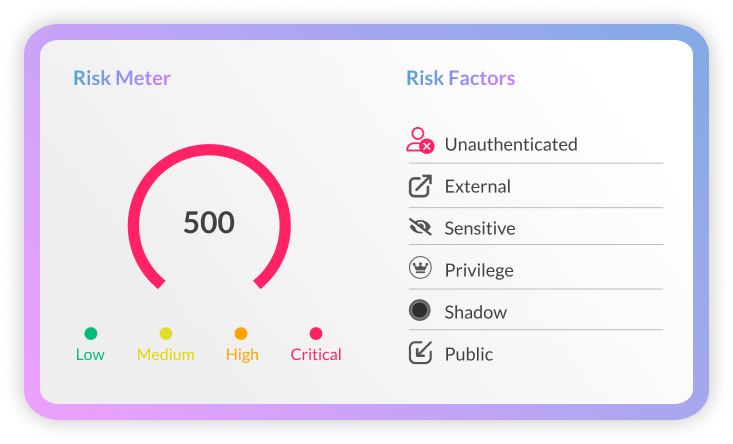
Simulate Real Attacker Paths Across Your Entire Stack
- Kill chain simulation: Models full attack sequences from initial entry to privilege escalation and data exfiltration
- Cross-agent path traversal: Tests how exploits propagate across chained AI agents and downstream API calls
- User journey exploitation: Identifies manipulation vectors within multi-step application flows and checkout processes
- Exploit prioritization: Ranks findings by exploitability and business impact, not just theoretical severity
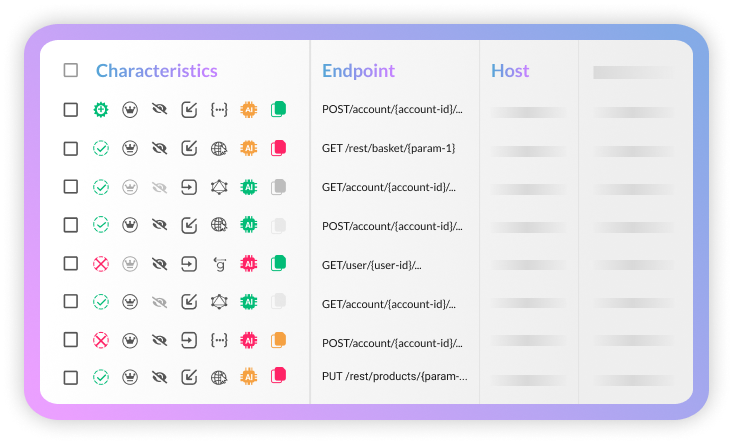
Uncover Vulnerabilities That Traditional Scanners Miss
- Prompt & content injection: Tests resilience against malicious instructions embedded in user inputs or retrieved content
- BOLA / BFLA testing: Validates authorization enforcement at the object and function level across every API endpoint
- Privilege escalation paths: Discovers routes where users or agents can exceed their intended access permissions
- Workflow manipulation: Identifies how legitimate API flows can be abused to trigger unintended business outcomes
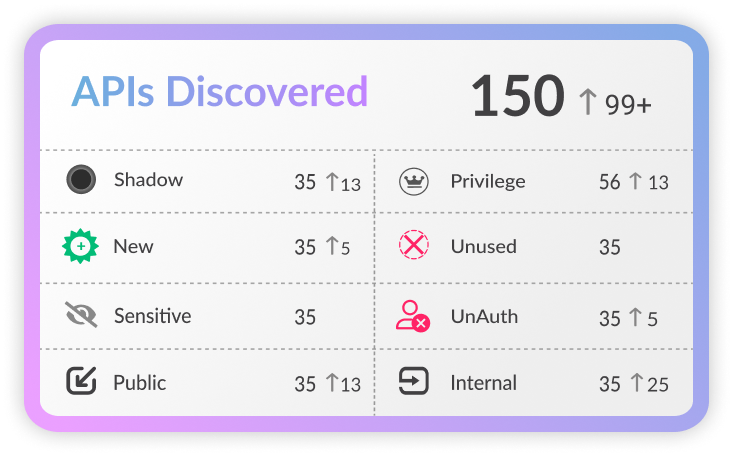
Stay Ahead of Evolving AI & API Attack Techniques
- OWASP API & Web Top-10: Full coverage of injection, broken auth, excessive data exposure, and all OWASP categories
- OWASP LLM Top-10: Full coverage of prompt injection, sensitive data exposure and all other OWASP LLM top 10 categories
- AI-specific attack patterns: LLM jailbreaks, model extraction, adversarial prompt techniques, and agent manipulation
- Intelligent fuzzing: Context-aware input fuzzing that understands API semantics to generate high-impact payloads
- Rate limit bypass testing: Validates controls against distributed and creative bypass techniques used by real attackers
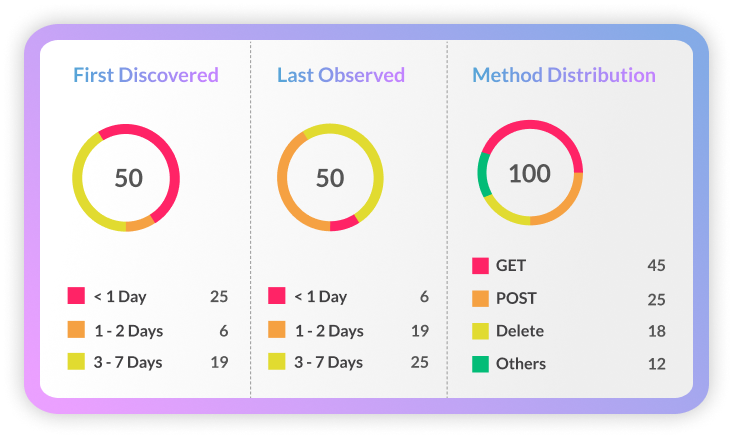
Find the flaws before attackers do.
Autonomous red-teaming that runs 24/7, adapts to every deploy, and surfaces real exploits — not just theoretical risks.
Frequently Asked Questions
How is AI red-teaming different from traditional penetration testing?
Traditional pen testing targets known vulnerability signatures via manual scripts. AI red-teaming uses autonomous agents that probe for AI-specific behaviors, such as prompt injection, jailbreaks, agent manipulation, and adapt their strategies based on live system responses. It’s built for the non-deterministic, logic-driven nature of AI systems that signature scanners were never designed to handle.
What is prompt hardening and why does it matter for agentic systems?
Prompt hardening is the process of testing and reinforcing AI system prompts against adversarial manipulation. In agentic systems, a single successful prompt injection can compromise an entire workflow. Since agents act with real-world consequences, hardening is a foundational control, not an optional step.
How does always-on testing work without manual security engineering?
AI-driven attacker agents run continuously, observe system responses, and evolve their strategies without human scripting. When a new deployment goes live, agents automatically detect the change and begin regression testing. Security teams only engage when a finding needs remediation not to run tests.
Why are BOLA and BFLA especially dangerous in AI environments?
AI agents dynamically construct API calls from natural-language instructions, meaning a malicious user can craft prompts that coerce an agent into making unauthorized requests using its own elevated credentials. BOLA and BFLA testing must account for both direct API access and AI-mediated access, which is a distinction traditional scanner can’t make.
Why test the full kill chain instead of individual endpoints?
Each step in an attack chain may look benign in isolation and pass single-step tests. The vulnerability only appears when the full sequence, covering initial access, lateral movement, and exfiltration, plays out end to end. Kill chain simulation is the only way to reliably catch these composite attack paths.